

Understanding the Different Types of Locks in the UK — Your Practical Guide to Door Security
Locks are the first line of defence for homes and businesses. Knowing the common lock types across the UK makes it easier to choose security that actually works and meets insurer requirements. This guide explains how popular locks operate, where they’re typically weak, and which standards matter when you’re choosing or upgrading hardware.
Read on to recognise mortice, deadbolt, euro cylinder, multi‑point, night latch and smart locks, and to understand how mechanisms like pin tumblers, lever systems and bolt throw affect resistance to forced entry. We also cover key British Standards such as BS3621 and TS007, practical triggers for upgrades, and compatibility with uPVC and composite doors. At the end, you’ll find simple decision checklists for front doors, back doors and garages, plus clear repair‑vs‑replace guidance and where to get professional help. Important search terms — lock types, euro cylinder lock, TS007 3‑star euro cylinder, multi‑point locking system and smart lock UK — are included to help you find the right solution and weigh convenience against security.
What Are the Most Common Door Lock Types in the UK?
Your choice of lock depends on the door material, where the door sits and how much protection you need. Common options are mortice locks, deadbolts, euro cylinders, night latches, multi‑point systems and padlocks. These use different mechanisms — levers, pin tumblers, or bolt throws — to resist attack. Identifying your existing lock is the first step to spotting vulnerabilities, such as snapping or drilling and deciding whether a lock change or a TS007 upgrade is needed. This section gives concise definitions, typical uses and a quick comparison so you can match a lock to the right application. If a lock looks weak or worn, a trained locksmith can recommend repair or an upgrade that fits your door and insurer requirements.
Risk varies with door type and exposure. Knowing typical uses for each lock makes the next step — choosing a compliant replacement or retrofit — straightforward and actionable. Below is a comparison to help you identify common locks and their security implications.
This table helps homeowners compare common locks, where they’re usually fitted, their strengths and typical weaknesses, so you can decide on repairs or upgrades.
| Lock Type | Typical Application | Security Strength / Pros | Common Vulnerabilities |
|---|---|---|---|
| Mortice lock (including 5‑lever) | Timber external doors and traditional front doors | Very good resistance when BS3621 rated; strong bolt throw | Must be fitted correctly; older mechanisms can wear |
| Deadbolt (single/double cylinder) | External doors where a separate latch exists | Long bolt throw resists prying and crowbar attacks | Double‑cylinder models can impede escape if poorly positioned |
| Euro cylinder (standard/anti‑snap) | uPVC, composite and some timber doors | Easy to replace; anti‑snap types reduce snapping attacks | Standard cylinders are vulnerable to snapping and bumping |
| Multi‑point locking system | uPVC and composite front and back doors | Multiple locking points give a strong seal and good security | Security depends on cylinder quality and door alignment |
| Night latch/rim lock | Secondary internal doors or older external doors | Convenient auto‑locking options | Can be bypassed if used alone without stronger locks |
| Padlock | Gates, garages and outbuildings | Portable and simple to fit; keyed or combination models | Susceptible to cutting unless fitted with hardened shackles or guards |
This comparison highlights common weak points and explains why your choice of lock affects both security and insurance cover. If you spot a vulnerable cylinder or a worn mortice, a qualified locksmith can recommend the right upgrade or repair based on door type and insurer guidance.
Once you have chosen, lock fitting Woking typically takes under an hour per door.
How Do Deadbolt Locks Work and Why Are They Secure?

A deadbolt uses a solid metal bolt that extends into the frame and is operated by a key or thumbturn. Unlike a sprung latch, it doesn’t retract under pressure, which gives strong resistance to forced entry. Security depends on bolt‑throw length and robust construction — single‑cylinder deadbolts have a key outside and a thumbturn inside; double‑cylinder deadbolts need a key on both sides (handy where glazing gives access to a thumbturn). Used with reinforced strike plates and correct bolt throw, deadbolts resist prying and crowbar attacks, making them a reliable choice for external doors. Understanding deadbolts helps you choose between a mortice lock and a rim‑mounted deadlock for your door.
Because bolt throw and faceplate strength matter, the next question is how mortice locks compare and when you should fit a separate deadlock for extra security.
What Is the Difference Between Mortice Locks and Deadlocks?
Mortice locks sit inside a pocket cut into the door edge and normally combine latch and lock functions. Deadlocks are single‑purpose bolts that don’t operate from a latch. A 5‑lever BS3621 mortice delivers convenience and high security; deadlocks are commonly added as a secondary bolt where an independent locking point is wanted. For more information about our services, visit locksmith services.
Mortice installations need a skilled fitter because depth and alignment are critical. Deadlocks can be surface‑mounted or fitted internally to reinforce the main lock without altering it. For many UK front doors, a BS3621‑rated 5‑lever mortice combined with a good cylinder or a multi‑point system is the insurer‑preferred solution.
This comparison clarifies whether to replace a full mortice lock, add a deadlock, or simply upgrade the cylinder to meet your insurer’s requirements.
How Do Euro Cylinder Locks Work and What Are Their Security Features?
A euro cylinder contains a plug, pins and springs (a pin‑tumbler system) inside a cylindrical case. Turning the key rotates a cam that operates the lock case. Euro cylinders are common in uPVC and composite doors because they’re simple to replace without changing the whole lock case.
Higher‑quality cylinders include anti‑snap sacrificial sections, hardened cores to resist drilling and anti‑pick pin configurations to slow common attacks. Knowing how the cylinder interacts with a multi‑point lock case is useful when deciding whether to upgrade to anti‑snap or TS007‑rated cylinders.
Lock snapping is a major weakness of standard euro cylinders; anti‑snap or TS007 3‑star cylinders greatly reduce that risk. If you’re ready to upgrade, a professional fitting guarantees the new cylinder matches the door and meets insurer expectations.
Jet Locksmiths assesses cylinder suitability and carries out anti‑snap and TS007 upgrades across Surrey, Berkshire and Hampshire, offering fast, professional installation to improve your security. If you need emergency help or a planned quote, contact us — we provide reliable, local locksmith services at clear prices.
IoT Smart Lock Systems: Fingerprint, RFID and Wi‑Fi for Better Access Control
SUMMARY: Traditional keys can be lost, copied or misused. This paper outlines an IoT smart‑lock design that combines fingerprint recognition, RFID and Wi‑Fi control to improve access management. The system uses an ESP8266 module for wireless links, Virtuino apps for monitoring and an MQTT broker to secure data flow. Key features include user authentication, remote control and safety interlocks alongside an electromagnetic locking mechanism.
Innovative IoT Smart Lock System: Enhancing Security with Fingerprint and RFID Technology, AA Zainuddin, 2024
The technical differences between basic and specialist cylinders determine whether a retrofit is enough or if a full lock‑case replacement is the safer choice for a vulnerable door.
Our locksmiths in Guildford will advise on the right grade for your insurer.
What Is Lock Snapping and How Do Anti‑Snap Euro Cylinders Protect You?
Lock snapping is when an attacker forces the exposed section of a euro cylinder to break at a weak point, then turns the remaining portion to open the door. Anti‑snap cylinders use a sacrificial section that breaks away while leaving the core intact, or they have reinforced cores that prevent a clean split. Many also add anti‑drill pins and anti‑pick features to slow or stop attacks. Fitting an anti‑snap cylinder usually involves measuring the current cylinder projection and installing a TS007‑rated or equivalent replacement so the cylinder does not protrude.
Regular checks for loose or protruding cylinders help homeowners spot high‑risk situations before an attack happens. For further information on lock repairs, check our services page.
Understanding how snapping works shows why the right lock fitting matters for uPVC and composite doors with multi‑point systems.
When Should You Upgrade to TS007 3‑Star Rated Euro Cylinder Locks?
Upgrade to TS007 3‑star cylinders when your insurer requires them, after a break‑in attempt, if the cylinder protrudes from the door face, or during renovations when you want better protection. TS007 3‑star certification targets snapping, drilling and manipulation. Common triggers for an upgrade include visible wear, local break‑in attempts, or simply replacing old standard cylinders that lack modern protections — many insurers now insist on TS007 certification for certain policies.
A qualified locksmith will measure the cylinder projection, check door alignment, and recommend the correct TS007 product or an anti‑snap alternative so that the new cylinder works with your multi‑point mechanism. Proper certification and fitting strengthen your door’s security and reduce the chance of disputes with your insurer after an attempted theft.
When planning an upgrade, also consider reinforcing strike plates and hinge protection to build a balanced, effective defence.
What Are Smart Locks and How Do They Enhance Home Security?
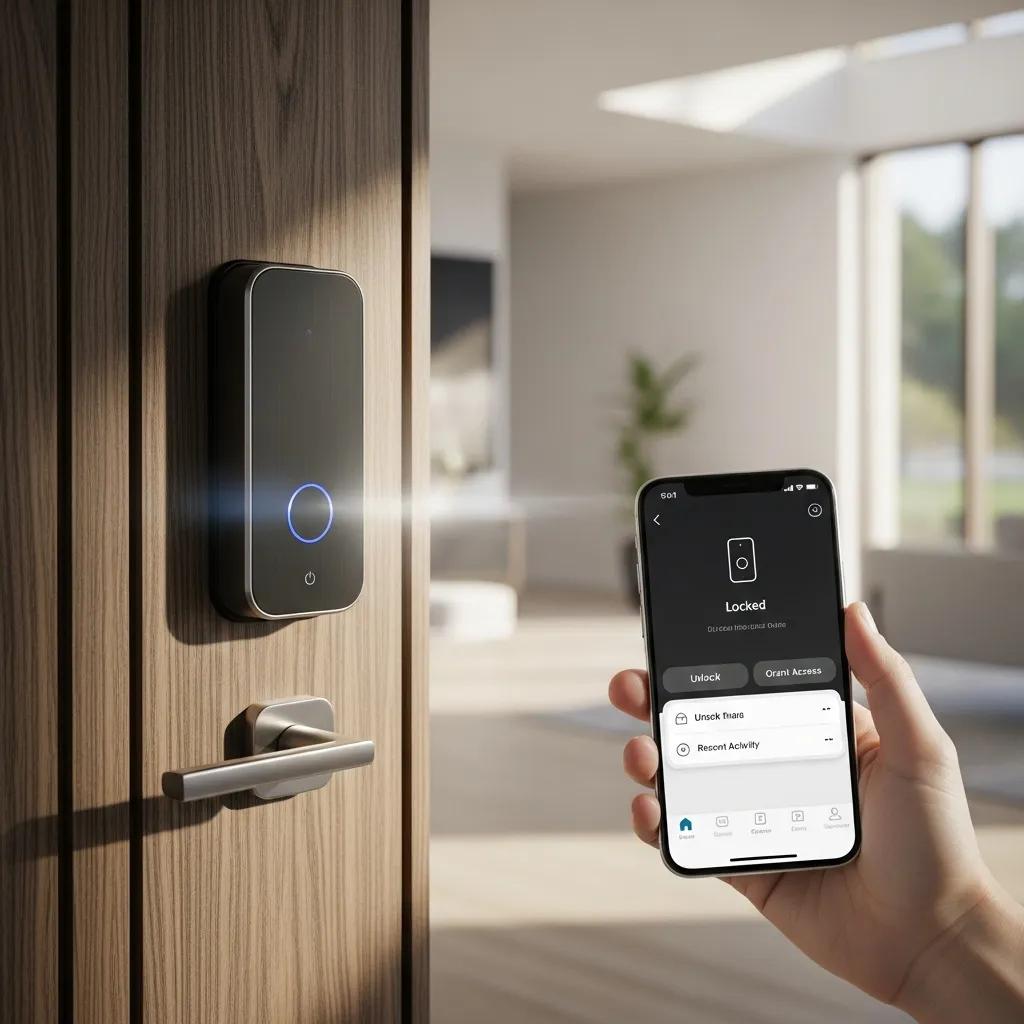
Smart locks replace or retrofit mechanical cylinders with electronic mechanisms that offer keyless entry, remote control and user management via Wi‑Fi, Bluetooth or other protocols.
They bring convenience — temporary codes, activity logs and remote locking — but also new security considerations. Compatibility with multi‑point systems, a reliable mechanical override and regular firmware updates are essential. The best smart locks include a sturdy mechanical fallback so the door remains secure if the electronics fail.
Knowing how smart locks integrate and where they fall short helps you decide whether a smart device suits a front door, an internal door, or a particular convenience need.
This section compares smart lock types, how they integrate, and their benefits and limitations so you can weigh options clearly.
| Smart Lock Type | Integration Method | Benefits | Limitations / When Not Suitable |
|---|---|---|---|
| Wi‑Fi smart lock | Connects directly to home Wi‑Fi or via a bridge | Remote access and cloud features | Higher power use; it depends on your network |
| Bluetooth smart lock | Phone‑to‑lock pairing | Low power, quick local control | Short range; not ideal for remote access |
| Zigbee / Z‑Wave lock | Works through a smart home hub | Integrates with wider home automation | Needs a compatible hub and more setup |
| Keyless keypad/code lock | Standalone electronic keypad | No smartphone required; easy to share access | Codes can be seen or forgotten; a mechanical fallback is important |
How Do Smart Locks Integrate with UK Smart Home Systems?
Smart locks connect via Wi‑Fi, Bluetooth, Zigbee, or Z‑Wave, depending on the product, enabling integration with hubs and voice assistants. Typical uses include unlocking when a trusted device is nearby, automatic night locking or triggering scenes when the door status changes. Each setup needs secure account management and up‑to‑date firmware. Good network hygiene — strong Wi‑Fi passwords, a guest network, and regular updates — reduces the risk of remote attacks.
When integrating with UK hubs and voice assistants, prefer local control where possible and keep a mechanical override so you’re safe if the electronics fail.
Plan integrations that balance convenience with resilience, and keep a mechanical fallback as part of your door security strategy.
What Are the Benefits and Limitations of Smart Locks for UK Homes?
Smart locks add convenience: remote control, user management and audit logs that help landlords and homeowners track access. They’re useful where keys are often lost or copied. Downsides include reliance on batteries, potential compatibility issues with multi‑point systems, and the need for robust network security to prevent unauthorised remote access.
For front doors where insurers care about standards, use a certified mechanical primary lock with a smart controller or choose a smart lock with a proven mechanical fallback. Pick models that offer regular firmware support, strong physical fittings and a tested manual override.
Use this checklist to decide if a smart lock is right for you:
- Confirm mechanical fallback: Ensure there’s a manual override.
- Check multi‑point compatibility: Follow the manufacturer’s guidance for uPVC and composite doors.
- Prioritise secure integration: Prefer local control and ongoing firmware support.
These checks will help you judge whether a smart lock will simplify or complicate your security.
What Are British Standards for Locks and Why Do They Matter?
British Standards set test and performance criteria for locks and cylinders. They help manufacturers produce reliable products and provide insurers with a benchmark for assessing acceptable security for external doors and locking hardware.
Standards like BS3621 and TS007 are regularly referenced by insurers; they cover resistance to forced entry, cylinder snapping, drilling and other attack methods. Compliance can affect whether a claim is accepted.
The table below summarises key standards, what they apply to, and what they mean for insurance, so homeowners can make clearer choices.
| Standard | Applies To | Key Requirements | Insurance Implications |
|---|---|---|---|
| BS3621 | 5‑lever mortice locks for external doors | Resistance to physical attack, bolt strength and build quality | Often required by insurers for ground‑floor external doors |
| TS007 (3‑star) | Euro cylinders and related accessories | Protection against snapping, drilling and picking | TS007 3‑star usually meets many insurers’ cylinder criteria |
| BS8621 | Electronic locks and authentication | Cyber and physical resilience for networked locks | Increasingly referenced for smart lock assurance |
| BS10621 | Padlocks and portable locks | Cut resistance and shackle hardness | Relevant for garages, gates and outbuildings in some policies |
Knowing which standard applies to each lock type makes upgrade decisions and insurance conversations more objective and easier to justify. Lock changing services can help facilitate these decisions effectively.
What Does BS3621 Mean for High Security Door Locks?
BS3621 is the standard most often used for five‑lever mortice locks on external ground‑floor doors. It sets out mechanical strength, key control and resistance to forced entry under tested conditions. A BS3621 lock normally includes a robust deadbolt and secure keying, which insurers recognise when assessing cover for external doors, especially on older timber installations.
If your door lacks a compliant 5‑lever mortice, consider a full mortice replacement or a BS3621‑rated alternative plus suitable door furniture and strike reinforcements. A qualified locksmith will check the fitting and key control, and determine whether extra measures — such as lock fitting or an upgraded strike plate — are needed to meet the intent of the standard.
How Do TS007 and BS8621 Standards Improve Lock Security?
TS007 focuses on weaknesses in euro cylinder systems and provides star ratings that verify resistance to snapping, drilling and manipulation; a TS007 3‑star cylinder gives the highest commonly available protection. BS8621 covers resilience for electronic locks and authentication, helping align smart lock performance with physical and cyber safety expectations. Together, these standards help homeowners choose cylinders and electronic locks that meet insurer expectations and resist common attack methods.
When upgrading, pick certified products and have them professionally fitted so the tested protection performs in real use.
How Do You Choose the Right Lock for Your Home or Business?
Choose a lock based on door construction, exposure to attack, insurer requirements, desired convenience and budget. A simple decision framework helps you match lock types to locations and use cases.
Start by noting the door material (timber, uPVC, composite), its exposure (ground floor or upper floor), whether a multi‑point system exists, and any insurer requirements.
Use the checklist below to guide your selection and book a professional survey when needed.
- Assess door material and fitment constraints: Measure the door and note any multi‑point mechanisms.
- Check insurer requirements: Confirm the standards your policy expects for external doors.
- Decide on convenience vs resilience: Consider smart locks only with a reliable mechanical fallback.
- Plan reinforcement: Factor in strike plates, hinge protection and cylinder guards as required.
This checklist leads to practical recommendations for each door type and prompts you to consult a locksmith for a tailored survey and installation.
Many homeowners benefit from a professional security survey at the end of this process. Jet Locksmiths offer local expertise across Surrey, Berkshire and Hampshire and will advise on lock selection, TS007 and BS3621 compliance, and the best fitting options for front doors, back doors or business entrances. Contact us for emergency assistance or a quote for planned work.
What Factors Should You Consider When Selecting Door Locks?
Choosing a lock means balancing security needs, door type, ease of use and compliance. Important factors include the required standard rating, mechanical compatibility with any multi‑point system, likely user behaviour and maintenance needs.
Security needs differ between rented properties, family homes and commercial premises: landlords often want durable, low‑maintenance solutions; families need easy egress and reliability; businesses may require access control and audit trails.
Budget affects whether you retrofit a cylinder or replace a full mortice or multi‑point system. Long‑term value usually comes from certified products fitted by a professional, not cheap short‑term fixes. Before buying, measure the cylinder projection, check the door thickness, and consult the manufacturer’s compatibility lists for smart lock integrations.
Which Locks Are Best for Front Doors, Back Doors, and Garages?
Front doors need the highest level of protection — a BS3621 5‑lever mortice lock or a multi‑point locking system with a TS007 3‑star cylinder offers strong resistance to forced entry and typically meets insurer expectations.
Back doors, patio doors and uPVC fittings benefit from anti‑snap euro cylinders and correctly adjusted multi‑point locks to prevent snapping and alignment exploits.
Garages and outbuildings are best secured with hardened padlocks, shutter locks, or dedicated garage locks featuring robust shackles and cut‑resistant designs; add internal reinforcement where practical.
Internal doors and secondary access points can use simpler locks but should still allow safe egress and resist casual tampering.
When Should You Repair or Upgrade Your Locks? Signs and Expert Advice
Spotting when a lock needs attention prevents security lapses. Mechanical signs include stiffness, wobble, difficulty turning, loose cylinders or visible damage — all indicators of wear or tampering. Security signs such as scratch marks around the cylinder, evidence of snapping, broken key pieces or drilled casings require immediate action and professional assessment. After a break‑in, losing keys or moving into a new property, replacing cylinders or fitting new locks is sensible to restore key control and meet insurer expectations.
A locksmith will advise whether repair (tightening, lubrication, small parts), retrofit (anti‑snap cylinder), or full replacement (mortice or multi‑point) is the right fix, based on the door’s condition and threat level.
Below is a simple urgency checklist to help prioritise action.
- Immediate action required: visible snapping or drilling, broken keys, or locks that no longer secure after forced entry.
- Soon (within days): persistent stiffness, loose cylinders, keys that stick or turn with excessive play.
- Routine (schedule): ageing locks and pre‑emptive upgrades to meet insurance requirements.
This triage helps homeowners prioritise repairs and decide when to call a professional locksmith.
What Are the Common Signs That Your Lock Needs Repair or Replacement?
Mechanical signs include difficulty inserting or turning the key, excessive play when the key turns, visible wobble in the cylinder, or the latch failing to engage — these usually point to wear, misalignment or broken internals.
Security signs include scuffs, tool marks, partially snapped cylinders or fresh scratches around the frame — these suggest attempted forced entry and need prompt replacement or reinforcement.
Contextual triggers such as moving into a new home, losing a set of keys or a burglary increase urgency and often justify full replacement rather than a patch repair.
For each issue, a locksmith can recommend the right fix — clean and service, rekey, fit an anti‑snap cylinder, or replace the full lock and reinforce the frame.
How Can Jet Locksmiths Help with Lock Fitting, Repairs, and Security Upgrades?
Jet Locksmiths provide emergency lockout response, lock repairs, security upgrades and smart lock installations across Surrey, Berkshire and Hampshire. We aim for fast response times and practical, long‑lasting repairs or retrofits.
Our qualified, DBS‑checked and insured locksmiths assess cylinder type, door construction and insurer requirements, recommending BS3621 or TS007 solutions as appropriate and fitting anti‑snap cylinders or full multi‑point replacements when needed.
You’ll get clear advice on whether repair or replacement is the best route, plus neat, professional installation that works with your existing hardware. We don’t hide charges behind call‑centre scripts — expect honest, up‑front pricing and direct contact with the locksmith. If you need help now or want a quote for planned work, contact Jet Locksmiths for reliable, professional and affordable service.
This service pathway gives homeowners a clear route from identifying a problem to installing certified, effective security upgrades by trusted local professionals.
Conclusion
Understanding the main lock types used in the UK helps you make informed choices about security. By recognising the strengths and weaknesses of each option, you can improve protection while meeting insurance requirements. When in doubt, get a professional locksmith to survey your doors and recommend the right upgrades. Explore our services or get in touch to make sure your home is secure and compliant with current standards.


